
Medicine’s Duty to Preserve Life
Five Days at MemorialThe book places the Memorial events within a longer debate about medicine’s promise to heal, the limits of treatment, and the danger of becoming an agent of death.
increasing Bearing strength in each event
 decreasing
Bearing strength in each eventdecreasingThe Hippocratic Boundary
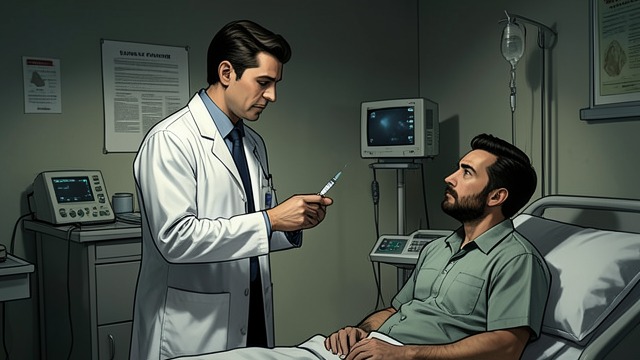
The Hippocratic Boundary
A Separation of Roles
The Hippocratic tradition rejected giving a lethal drug even at a patient’s request. Later accounts described this as a defining separation between curing and killing.
Trust in the Profession
The boundary is not simple in practice, but it represents a promise that doctors will not decide that a patient’s life should end for someone else’s convenience or social purpose.
New Technology, New Dilemmas
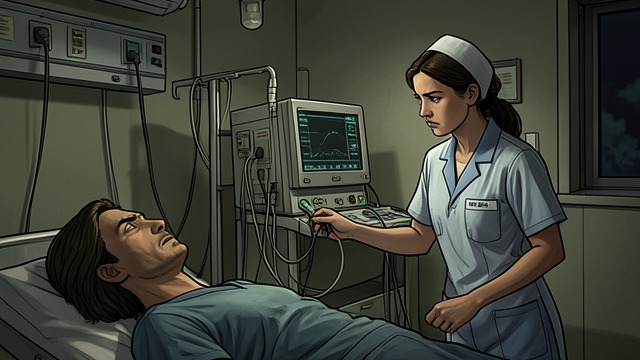
New Technology, New Dilemmas
Life Support Expands
Intensive care machines made it possible to sustain patients who previously would have died. The capacity to prolong life created questions about when treatment should be started or stopped.
Cost and Judgment
As care became more expensive, policy-makers questioned whether technology was being used wisely. Horace Baltz resisted turning cost or prognosis into a judgment about whose life deserved protection.
Withdrawing Versus Killing
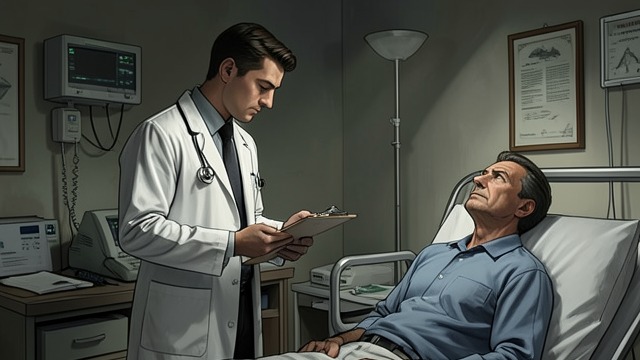
Withdrawing Versus Killing
Treatment Refusal Recognized
Courts recognized a right to refuse life-sustaining treatment, distinguishing withdrawal of unwanted care from active euthanasia. This distinction helped shape modern end-of-life practice.
A Difficult Line
The difference depends on the legitimacy of the refusal and the clinician’s intention. Disaster conditions complicated the line but did not automatically erase it.
Disaster as a Moral Exception
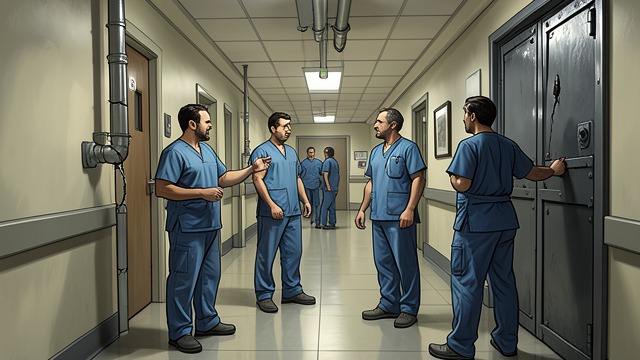
Disaster as a Moral Exception
Ordinary Rules Under Strain
Some Memorial staff believed that standard medical norms no longer applied because the hospital was isolated and resources were failing. Others argued that the patients still deserved ordinary protection.
The Exception’s Danger
Calling the situation exceptional may explain pressure, but it can also expand permission to decide for others. The book asks whether compassion can become a rationale for unconsented killing.
A Rule for Future Crises
A Rule for Future Crises
Guidance Against Hastening Death
The Institute of Medicine concluded that neither law nor ethics supports intentionally hastening death in a crisis. It urged emergency planning that protects patients while recognizing scarcity.
The Duty Remains
The deeper challenge is not to invent an exception to every moral rule, but to prepare well enough that clinicians are less often forced into catastrophic choices.
Ancient tradition and modern medicine
1960s–1980s
1975–1997
September 1, 2005
After 2007
